OUR RESEARCH

Cells communicate extensively through signaling networks to regulate gene expression and biological processes within tissues, a process referred to here as intercellular regulation. Disruption of intercellular regulation contributes to many complex diseases, including cancer and obesity. Drugs targeting cell–cell communication pathways, including PD-1/PD-L1 and GLP-1 signaling, have provided substantial clinical benefits to patients. The fundamental principles and general mechanisms governing intercellular regulation still remain poorly understood. We integrate single-cell and spatial multiomics, statistical genetics and AI-driven computational models to investigate intercellular regulatory mechanisms, identify therapeutic targets, and accelarate drug discovery. We particularly interested in obesity-related diseases, including diabetes and cancer, as well as the obesity-related biological aspects, including, genetics, metabolism, and adipose tissue.

Research Directions:
01 / AI & Computational Modeling

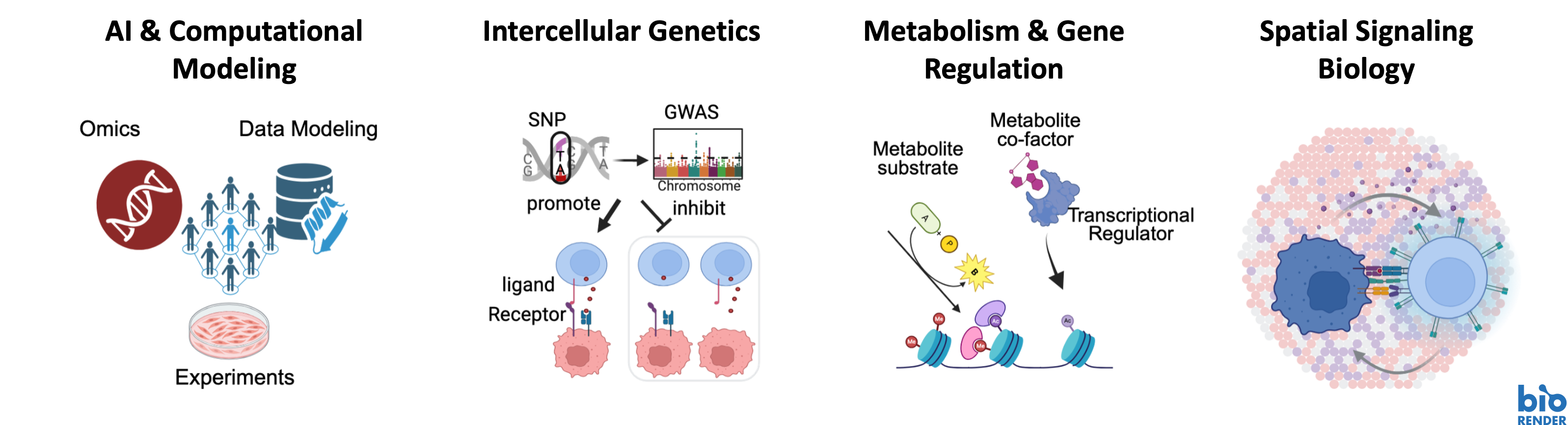
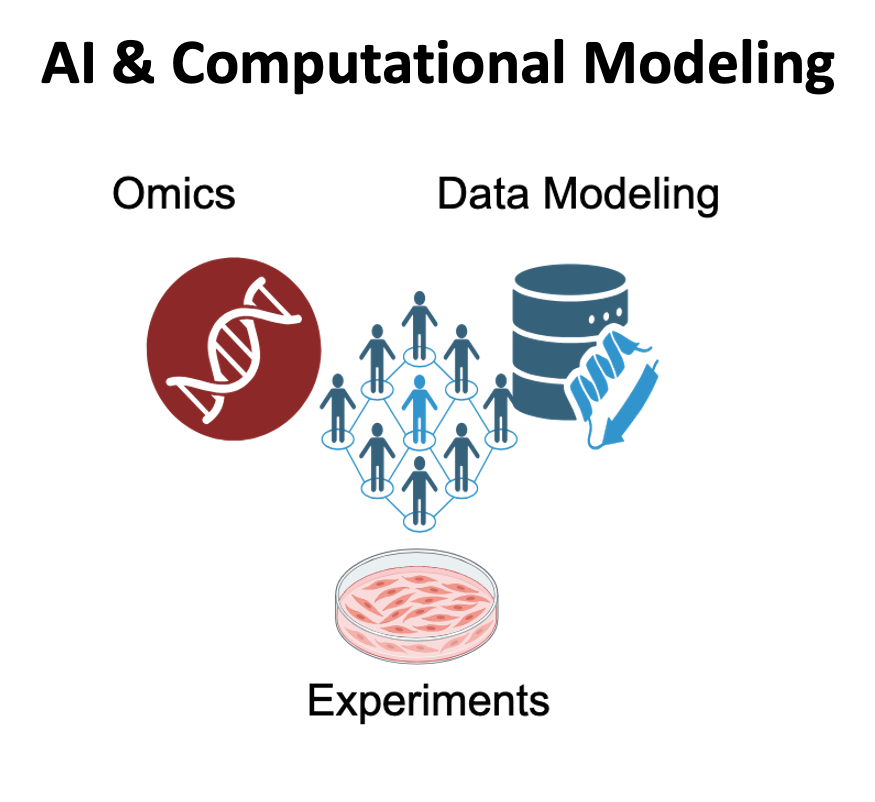
AI & Computational modeling for multiomics integration

Multiomics has become increasingly important in modern biological research, driven by the growing diversity of molecular measurements and the exponential increase in data volume. It encompasses transcriptomics, genomics, genetics, epigenomics, metabolomics, and proteomics at bulk, single-cell, and spatial scales. Rapid advances in single-cell and spatial multiomics offer unprecedented opportunities to understand complex biological systems. However, efficiently and accurately integrating these modalities and translating the resulting data into biological discoveries remain challenging. We develop advanced AI-based computational models to address these challenges.
02 / Genetics & Genomics

Intercellular Genetics Regulation.

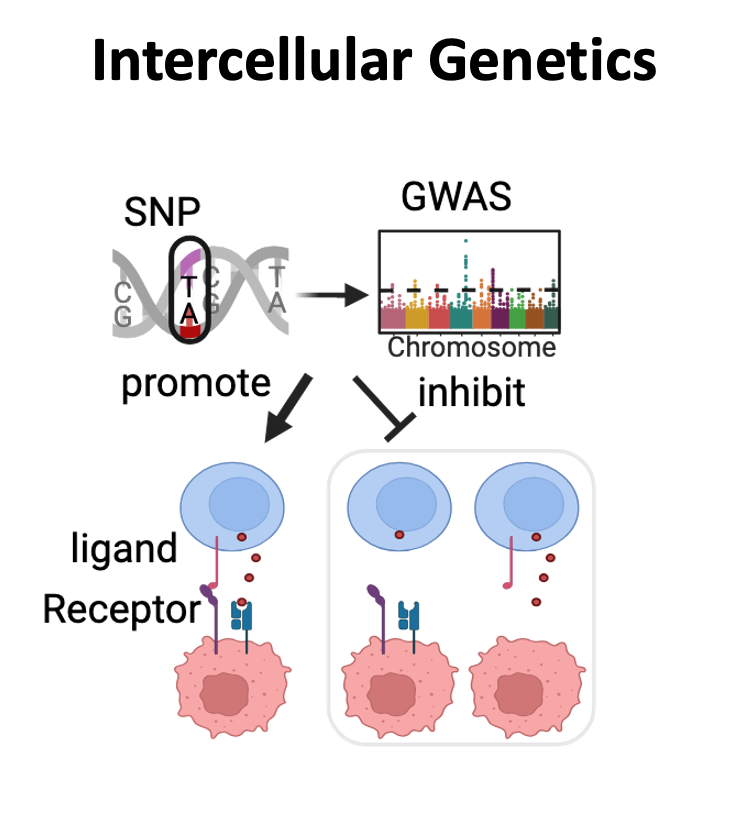
Genetic variants that influence ligand expression or function may affect multiple cell types through ligand–receptor interactions. Failing to account for these interactions and their downstream pathways may underestimate the contributions of genetic variants to disease. We develop statistical models to identify variants that influence gene expression in other cell types through cell–cell communication and investigate the mechanisms underlying these effects. We also aim to investigate how mutations in signaling-related genes reshape cellular interactions within the tumor microenvironment. This research direction is supported by Dr. Zheng’s NIH NHGRI K99/R00 Pathway to Independence Award.

Metabolic regulation of gene expression
03 / METABOLISM × REGULATION

Metabolic regulation of gene expression

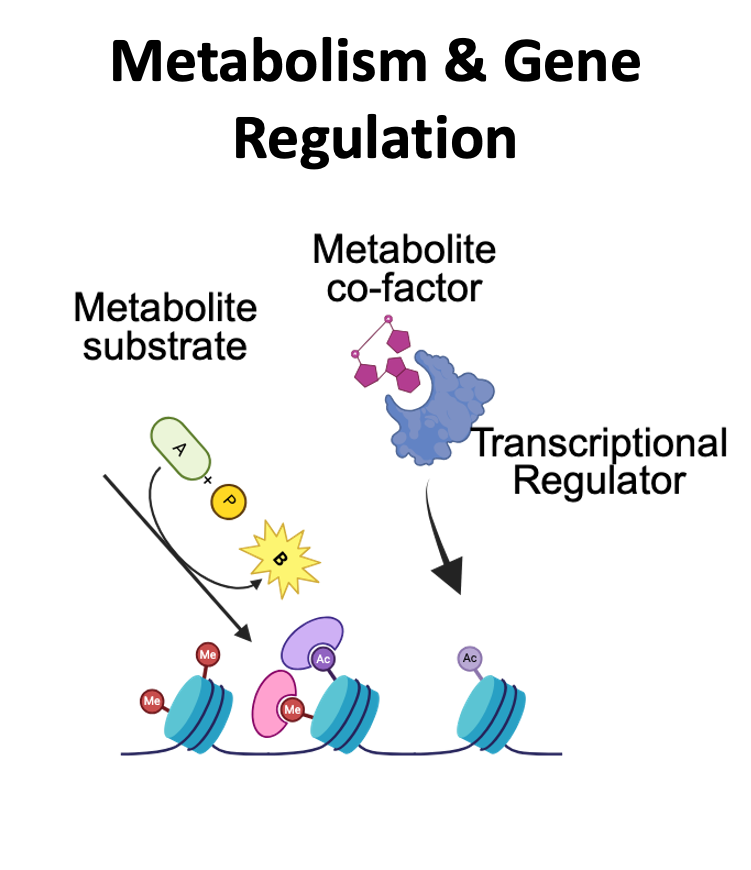
Altered metabolism is a hallmark of cancer and many other diseases. Metabolites can influence gene regulation through diverse mechanisms. For example, mutant IDH1 converts α-ketoglutarate (α-KG) into D-2-hydroxyglutarate (D-2-HG), which can promote widespread DNA and histone hypermethylation in glioblastoma. However, our understanding of metabolic regulation of gene expression remains incomplete, and its investigation often relies on extensive experimental screening. We aim to address this gap by combining multiomics analysis with deep learning. This research will add an essential layer to existing models of gene regulation and help reveal how metabolic conditions, such as obesity and diabetes, as well as dietary factors, influence tumor growth and treatment response.

Spatial regulation of cellular signaling responses
04 / SPATIAL CONTEXT

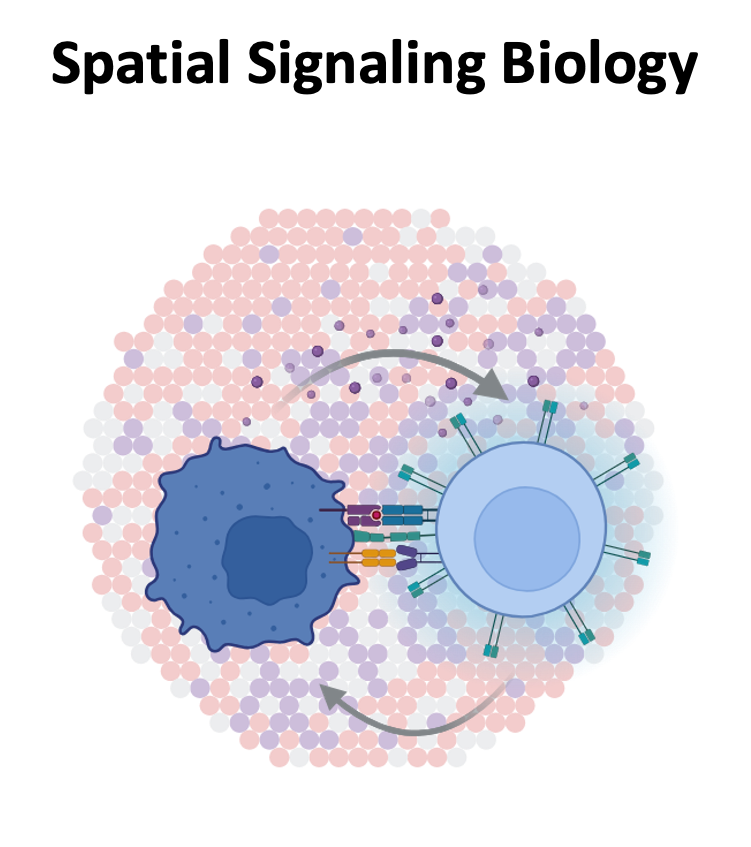
Spatial signaling regulation

Spatial omics technologies with subcellular resolution have transformed the study of tissue biology, enabling high-resolution investigation of intercellular signaling. However, current analyses of spatial signaling and cell–cell communication (CCC) often focus on identifying communication events while overlooking how spatial context regulates signaling process. Given the biological importance and therapeutic potential of CCC pathways, we develop computational methods that integrate multiomics data to uncover the principles governing spatial signaling regulation in healthy and diseased tissues.